
K-8 CAREER READINESS
A complete CTE continuum starts in kindergarten.
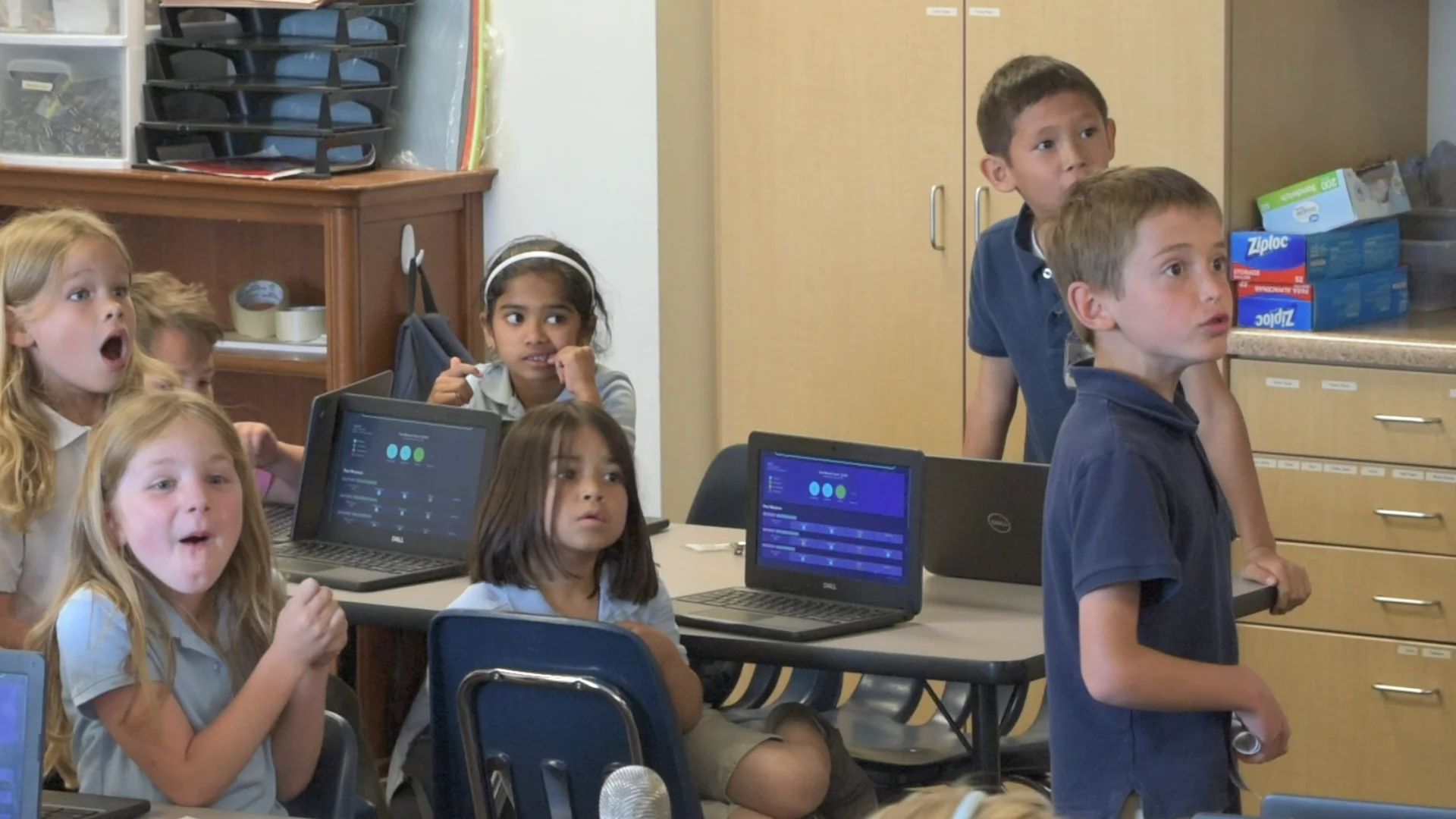
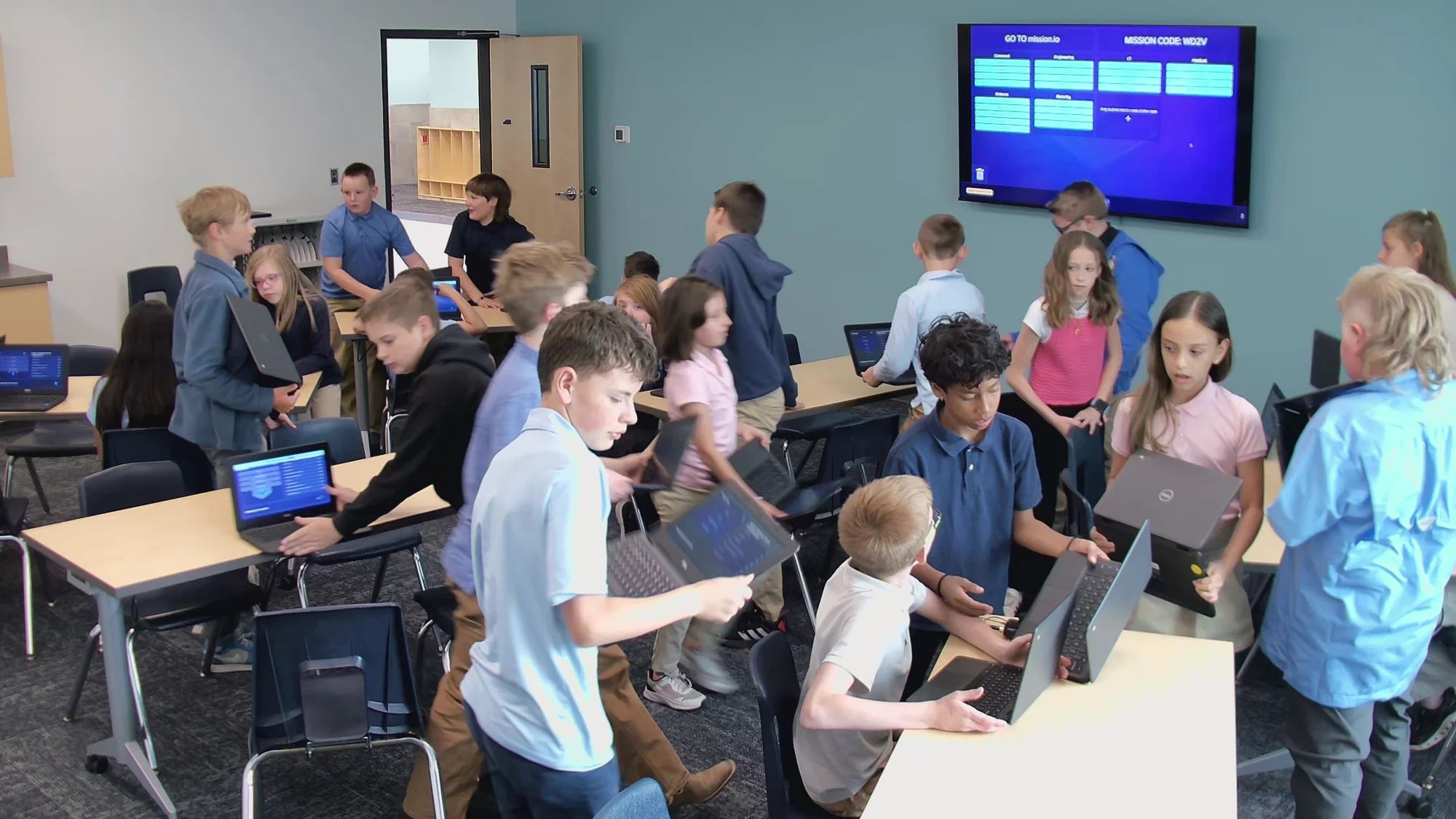
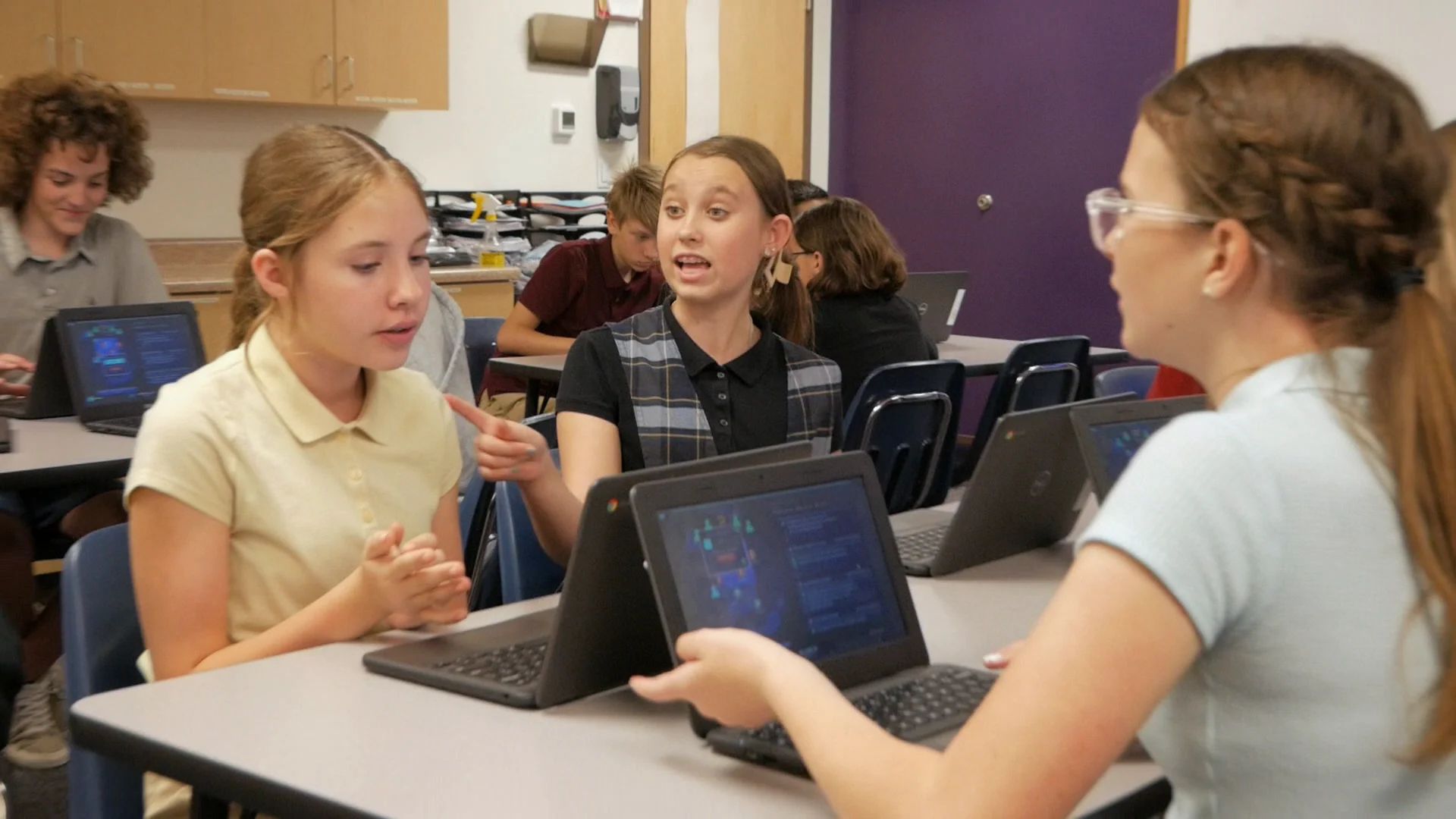
Whole-class Missions build and measure the human skills employers want most, K-8, inside the lessons teachers already teach.
The labor market
The skills employers want most are human skills.
Nine of the top ten skills employers call core are human skills, led by analytical thinking and resilience. Missions build four human skills on purpose: collaboration, critical thinking, initiative, and resilience.
Future of Jobs Report 2025The core skills employers name for their workforce
9 of 10 are human skills
- Analytical thinking69%
- Resilience, flexibility and agility67%
- Leadership and social influence61%
- Creative thinking57%
- Motivation and self-awareness52%
- Technological literacy (the one technical skill)51%
- Empathy and active listening50%
- Curiosity and lifelong learning50%
- Talent management47%
- Service orientation and customer service47%
The tenth is technological literacy. We’re fans of that one too.
Starting in 9th grade is already too late.
In grades 1 to 3, children start ruling out jobs by gender. In grades 4 to 8, they rule out jobs that seem beneath them or out of reach. Most pathways open after that’s done.
Grades 1 to 3 Jobs ruled out by gender
Grades 4 to 8 Jobs ruled out as beneath them or out of reach
Grade 9 Most pathways open
First graders are still losing baby teeth. The list of jobs is already getting shorter.
Built into what teachers already teach, from day one.
- Awareness K-5
- Exploration 5-8
- Preparation 9-12
State career continuums name these three stages. Missions deliver the first two inside the lessons teachers already teach, from kindergarten on, so your pathways inherit ready students.
“The students love learning together with their classmates as they all execute jobs that are essential to mission success.”
K-2 Career awareness
Real teams do real jobs.
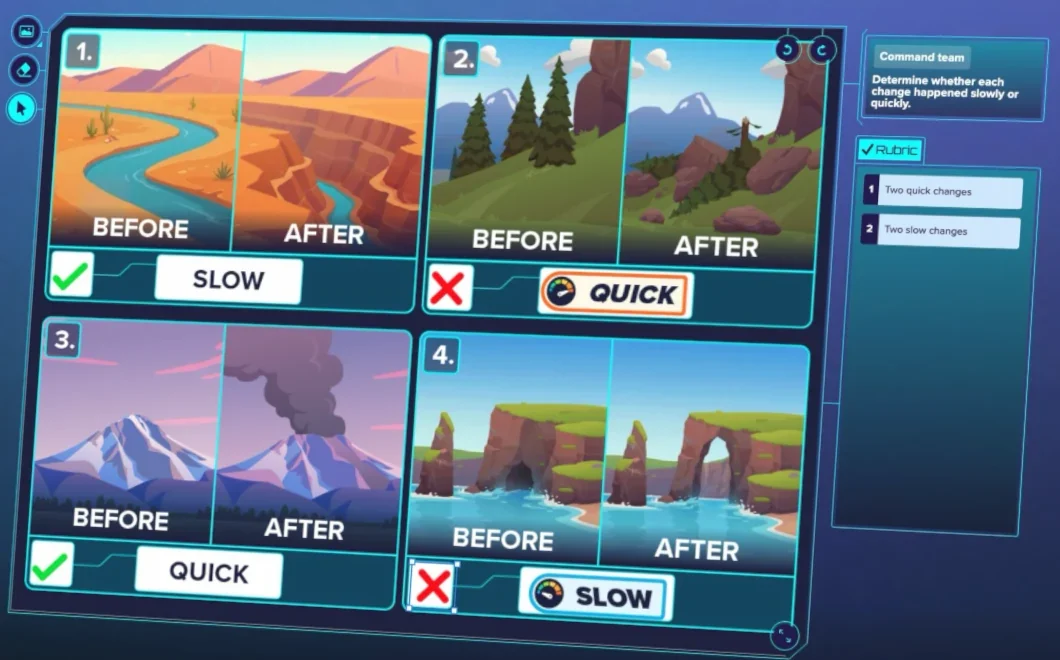
The class works as one crew, guided by the teacher, and practices communicating and working together on purpose.
- The Communication Mission
- The Speed of Change
- Beach Frenzy
3-5 Awareness into exploration
The standard has a job.
The same skills with more asked of them, used on the science and math the class is learning, each student in a role.
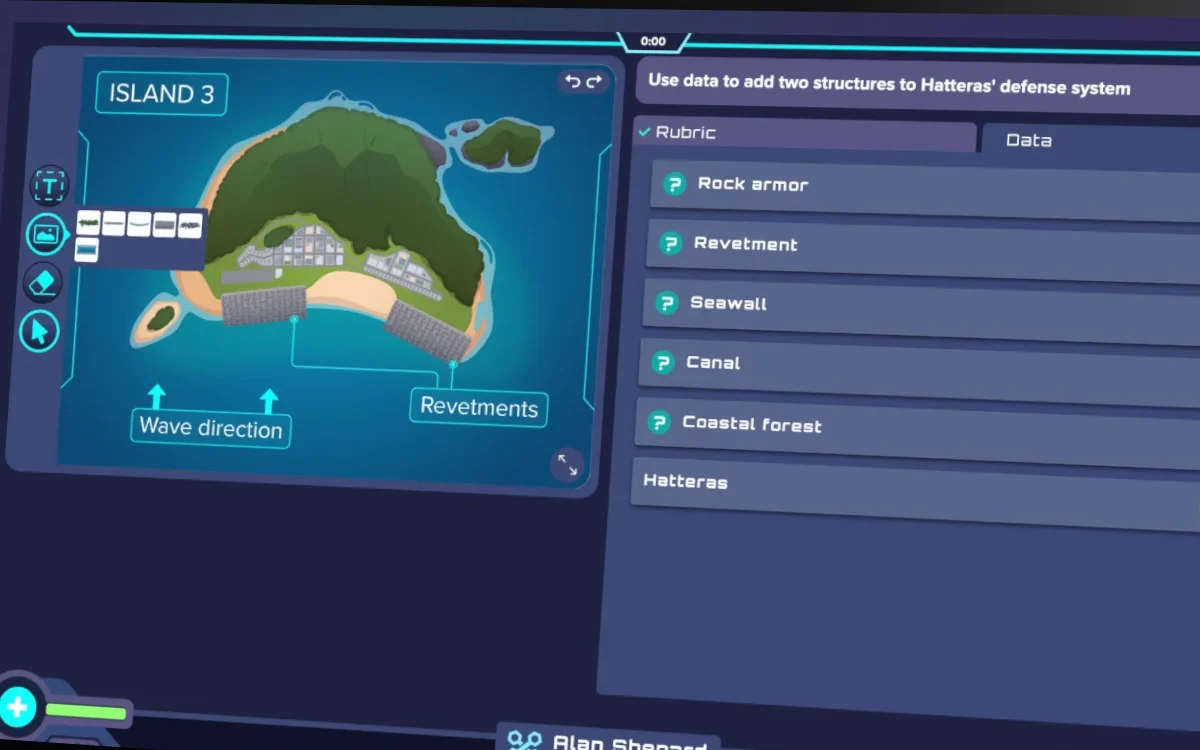
- Tsunami
- Polar Opposites
- The Sinister Sun
5-8 Career exploration
Work like the industry.
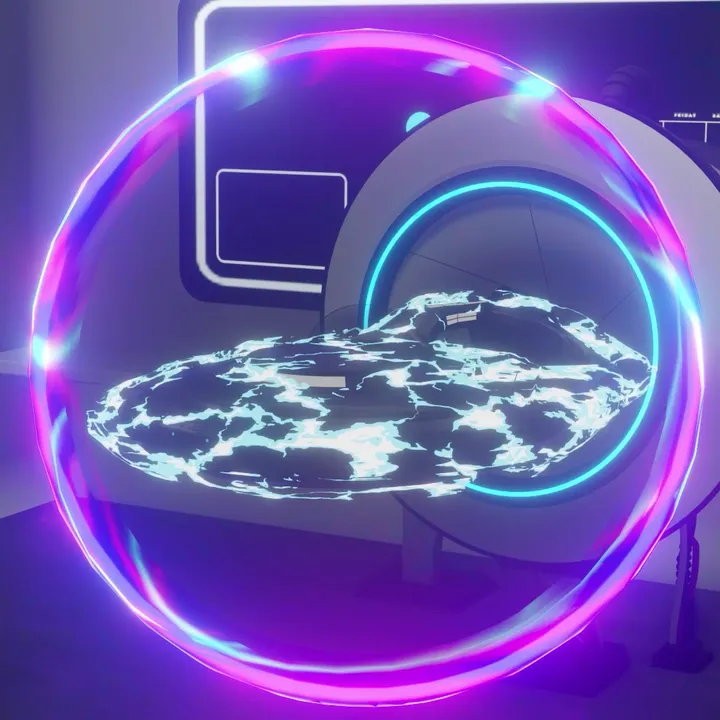
More subjects, plus Missions built with industry partners that show students what the work actually is.
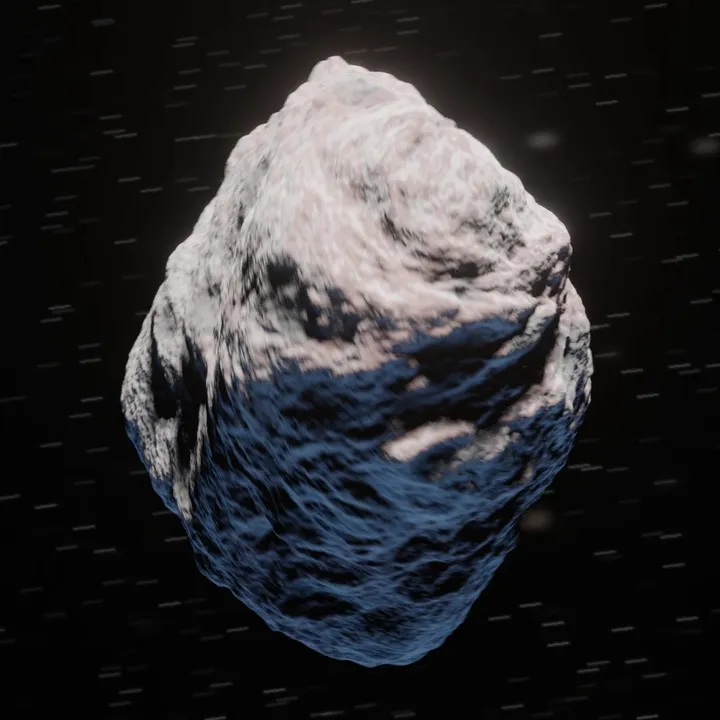
- Mission to Mars
- Unstoppable Force
- Do No Harm
9-12 Preparation
Your pathways.
Programs of study and work-based learning, with students who’ve already practiced the skills those programs assume.
This rung is yours. We built the stairs up to it.

The report
What prepares them for work also lifts their scores.
Every student gets a report on how well they did, on the human skills each Mission captured. In a study funded by the U.S. Department of Education’s Institute of Education Sciences and conducted by Instructure, students who ran Missions knew more, and the more Missions a class ran, the more they knew.
Our demo student. Still working on initiative and resilience.
Knew more.
52% vs. 45% correct
g = 0.335, p < .001 · +0.94 percentage points per Mission (p < .001)
Wrote better.
2.69 vs. 2.39 on a 6-point rubric, independent raters
g = 0.269, p = .015 · +0.035 rubric points per Mission (p = .049)
Engaged more.
Significant
g = 0.173, p = .009
Mission.io meets ESSA Level II standards, as validated by Instructure.



About the study
A quasi-experimental study of 1,039 fifth graders in 53 classrooms in one district, 2025-26, by Instructure (Bautista et al., 2026). It meets What Works Clearinghouse baseline equivalence standards. The favorable effects were concentrated in classes where a STEM teacher ran Missions on rotation; classes where the core teacher ran them showed no significant favorable effects. The content test was co-developed by Mission.io and Instructure.
Over 1 million students have experienced Mission.io. In Utah’s largest district, which went district-wide in 2021, active teachers grew from 331 to 508 by 2023-24.
District case study · Mission.io (2026a)
TALK TO USWhat directors ask first.
Does it qualify for Perkins?
In the middle grades, it can. Perkins V requires local funds to support career exploration and career development “including in the middle grades” (Sec. 135(b)(1)), and permissible uses include hardware and software, and work-based learning “including simulated work environments.” It has to trace to a need in your local needs assessment and can’t replace something you paid for locally last year. Perkins defines the middle grades as 5 through 8, and your state sets how low you can go. Talk to us and we’ll find your floor with you. TALK TO US →
What else can pay for it?
In some states, your own state CTE money reaches grades 7 and 8, and in Texas it’s far larger than Perkins. For elementary, ESSA Title IV-A names “career awareness and exploration activities” with no grade floor, Title I schoolwide plans can include workforce awareness, and because every Mission is standards work, curriculum budgets can pay for the subject it serves. Districts can split one license by grade band so every office’s line is clean. Talk to us and we’ll map the stack for your state. TALK TO US →
Who teaches it? Our counselors are at 400 to 1.
A classroom teacher or your STEM rotation teacher, with no CTE certification. The Teacher Preview takes less than 5 minutes. The technology connects every student and runs the work at every station, and the teacher leads the discussion and the debrief.
Isn’t elementary too early? Aren’t we tracking kids?
It’s whole-class and every student: exposure, not selection. Nobody picks a cluster in third grade. They learn that real teams do real jobs, take a role, and practice the skills employers want most. Children start ruling jobs out around age six. We’d rather they see more first.
We already have Xello (or Naviance, or Everfi).
Keep it. Those tools have each student explore careers on their own screen. A Mission puts the whole class inside one real scenario, each student in a role, and every student gets a report on how well they did on the human skills it captured.
While the world races to make technology smarter, we make humans more capable.
Start building the skills employers want most before students start ruling jobs out.